


 Our primary source of nutrients is the food we eat. Fruits and vegetables in particular provide the body with essential vitamins and minerals that serve our systems. Hanna advocated the idea of healing the body through food, a philosophy Kroeger stands behind to this day. Modern day medical experts agree with this idea around the world. If we are going to heal our ailments through the food we eat, it is important to optimize the amount of nutrients we get from our food. Optimizing our nutrient intake may seem like a daunting task with so many essential micro- and macro-nutrients to keep track of. Simply making the right choices in the grocery store can help us keep our bodies healthy.
In the modern day grocery store, certain vegetables may have significantly higher health benefits than others. The difference in nutritional value, according to the New York Times, may be due to the way produce has changed over the last several decades. According to the article, “studies published within the past 15 years show that much of our produce is relatively low in phytonutrients, which are compounds with the potential to reduce the risk of four of our modern scourges: cancer, cardiovascular disease, diabetes, and dementia,” and that every fruit and vegetable in the produce aisle has lost nutrients over the course of agricultural history.
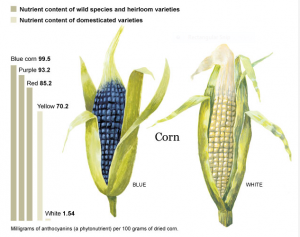
Illustration by Matt Curtius
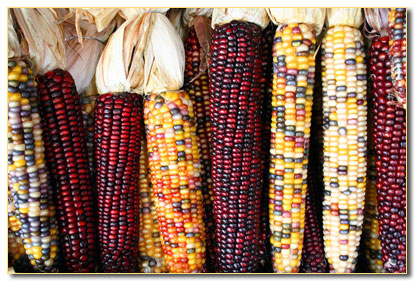
These changes have likely been brought on by one key factor. Beneficial phytonutrients have a bitter flavor, and farmers usually favor sweeter, pleasurable crops. Take for example one of today’s grocery store staples: Sweet White Corn. The popular crop vaguely resembles an ancient form of corn, Teosinte. Teosinte, however, contained 10 times the amount of protein. Blue corn has more than 64 times the amount of anthocyanins (pigment molecules that belong to the flavonoid family and help scavenge for free radicals in the body) as white corn. Those anthocyanins have healing properties that protect against cancer, inflammation, and brain degeneration.
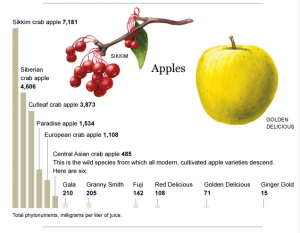
Illustration by Matt Curtius
Apples, often the hallmark of healthy eating, are one of the worst cases of nutrient loss. Bred for their sweet flavor and sugary juice, today’s apple are astoundingly lower in phytonutrients. Juice from the typical Golden Delicious apple contains only 71 miligrams of phytonutients per liter, while juice from the Sikkim crab apple, a traditional apple variety, contains 7,181 mg. 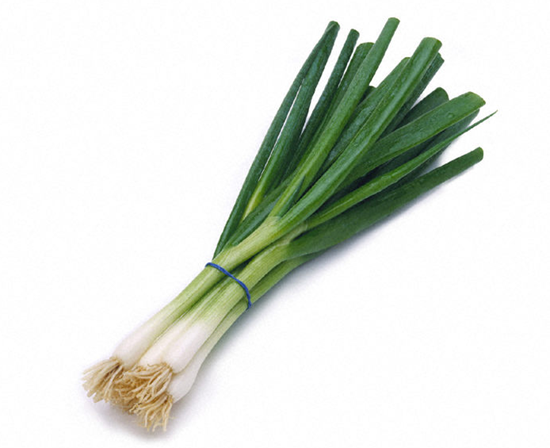 The question remains then, which fruits and vegetables are the best picks? Try looking for blue, red, or purple cornmeal in the grocery store. Arugula remains fairly similar to its wild ancestor, and green onions may have 5 times more phytonutrients than white onions. He also points out that herbs are often prized for their pungent flavors, and therefore still pack a nutritious kick.
In the book Good Health Through Special Diets, Hanna Kroeger outlines how different diets can help individuals meet their specific 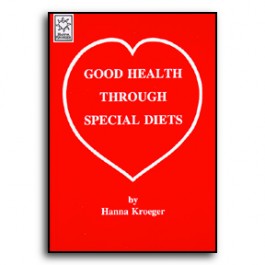 nutritional needs. You may also enjoy reading our blog post about how to determine the nutrients within specific foods, or taking a look at this study that analyzes nutrient loss in 43 crops between 1950 and 1999. Other books about nutrition and healing through food are available through our retail store! One of my personal favorites is Nourishing Traditions, by Sally Fallon.
Read the New York Times articles here and here.



LOVE your info, and I miss all of you!
Thanks, Janelle. We’re so thankful for your support!